

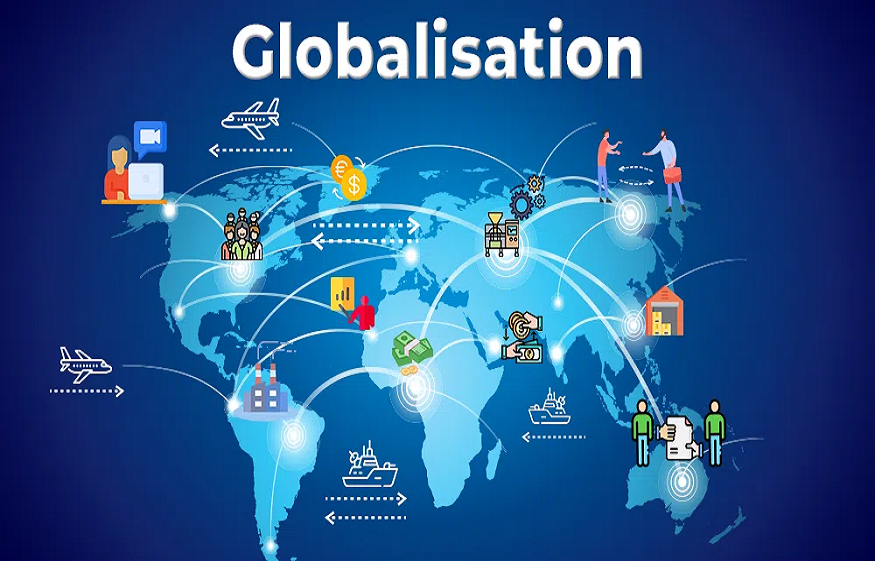
Globalisation has transformed trading into an interconnected ecosystem that never sleeps. Belgian traders—whether professionals or individuals managing their own portfolios—now operate within an environment where decisions made in New York, Tokyo, or Frankfurt can ripple across the markets in Brussels within seconds. This interconnectedness presents unprecedented opportunities but also poses challenges that necessitate adaptability, insight, and ongoing learning.
As global markets evolve, traders in Belgium must not only keep up with international developments but also harness technology, data, and strategy to maintain their competitive edge. Let’s explore how Belgian traders can navigate the growing complexity of the financial landscape and position themselves for success in a truly globalised environment.
Understanding the Shifting Global Landscape
Globalisation has blurred the boundaries of financial markets. Events that were once isolated now have global consequences—political instability, energy price fluctuations, central bank decisions, and even climate events can all influence trading activity across multiple asset classes.
For Belgian traders, this means that local expertise alone is no longer sufficient. Staying competitive requires awareness of how global economic forces interact. For example, changes in U.S. interest rates can impact the euro-dollar exchange rate, which in turn affects Belgian exporters and market sentiment within the Eurozone. Likewise, developments in Asia’s manufacturing sectors can impact the prices of commodities essential to European industries.
Read More: How to Trade CFDs on Forex, Stocks, Indices, and
Understanding these global linkages helps traders make better-informed decisions. Those who can interpret international trends, analyse cross-border data, and identify correlations between markets are the ones most likely to succeed in this increasingly complex ecosystem.
Leveraging Technology and Data Analytics
Technology is the great equaliser in modern trading. The rise of sophisticated trading platforms, algorithmic systems, and advanced analytics tools has enabled traders from all backgrounds to access real-time information, execute faster trades, and manage risk more effectively.
Belgian traders, in particular, benefit from being part of a highly developed financial infrastructure within the European Union. With access to cutting-edge trading platforms and digital tools, they can analyse large datasets, monitor international markets, and even automate strategies that respond to volatility within milliseconds.
Artificial intelligence (AI) and machine learning are also reshaping the way trading strategies are developed. Predictive analytics, sentiment analysis, and natural language processing can uncover insights that traditional chart reading cannot. While such technologies may seem daunting at first, they provide Belgian traders with opportunities to refine their decision-making process and enhance their ability to anticipate market moves.
Building a Global Mindset
In a globalised trading environment, adaptability is everything. Traders who understand cultural, economic, and political nuances across regions are better equipped to interpret data and anticipate shifts in sentiment.
Read More: Navigating Ecommerce Compliance: Is a Seller’s
Belgium, being a multilingual and internationally connected country, is uniquely positioned to foster this global mindset. Belgian traders often have exposure to multiple European markets and can leverage this perspective to interpret broader economic trends.
However, developing a truly global trading approach goes beyond geographic awareness—it involves diversifying one’s portfolio across asset classes and regions. By investing in global equities, commodities, currencies, and ETFs, Belgian traders can reduce exposure to localised risks and capitalise on opportunities wherever they arise.
Continuous Learning and Skill Development
Financial markets evolve constantly, and yesterday’s strategies may no longer be effective tomorrow. To remain competitive, Belgian traders must commit to lifelong learning—whether through formal education, webinars, mentorships, or hands-on experience.
Modern traders have an abundance of educational resources at their disposal. Many online platforms offer courses in technical analysis, risk management, macroeconomic fundamentals, and algorithmic trading. Beyond traditional learning, communities and discussion forums also allow traders to exchange insights, share experiences, and refine strategies.
For those who wish to expand their knowledge and enhance their trading capabilities, reliable online trading platforms provide tools, insights, and educational content designed to help traders succeed. Belgian traders looking to deepen their expertise and access a broad range of global markets can discover more about available trading opportunities and learning resources.
Managing Risk in a Volatile Environment
As markets become more globally connected, volatility often follows. Sudden political changes, global crises, or central bank interventions can lead to unexpected price swings. Risk management, therefore, is one of the most critical aspects of trading in a globalised environment.
Belgian traders can protect their portfolios through diversification, proper position sizing, and the use of stop-loss orders. Understanding leverage—how it amplifies both gains and losses—is equally vital. Experienced traders approach leverage with discipline, ensuring that their exposure aligns with their risk tolerance and market outlook.
It’s also beneficial to maintain a balanced mindset. Emotional reactions to short-term market fluctuations can lead to impulsive decisions. By developing a well-defined trading plan and sticking to it, traders can navigate uncertainty with confidence and control.
Conclusion: Thriving in a Global Financial Future
The globalisation of financial markets has opened doors for Belgian traders to participate in opportunities that span continents. Yet with these opportunities come challenges that demand innovation, knowledge, and strategic thinking.
By embracing technology, cultivating a global mindset, committing to continuous learning, and practising sound risk management, traders in Belgium can thrive amid complexity. The key lies not just in reacting to market movements but in understanding the forces that drive them—and using that understanding to make confident, informed decisions.